
Packing for a trip sounds simple until you’re standing over an open suitcase wondering what you actually need.
The best packing tips for travel are not about bringing more. They are about bringing the right things for your destination, your comfort, your mobility, and your plans.
Whether you’re packing for a weekend getaway, a cruise, an international vacation, a beach trip, or an outdoor adventure, this senior-friendly travel packing checklist will help you stay organized, avoid overpacking, and feel more prepared before you leave home.
Quick Answer: What should seniors pack for travel?
Seniors should pack comfortable mix-and-match clothing, supportive walking shoes, weather-appropriate layers, daily medications, travel documents, chargers, a small personal item bag, and essentials for the first 24 hours of the trip. Start your packing checklist 2–3 weeks before departure, lay out key items 5–7 days ahead, and remove anything you do not truly need before closing the suitcase.
Before you finalize your suitcase, it may also help to review these essential senior travel tips so the rest of your trip planning feels more organized.
Key Takeaways
- Start your travel packing checklist 2–3 weeks before your trip.
- Pack light enough that you can manage your own luggage.
- Choose a simple capsule wardrobe with repeatable colors.
- Bring comfortable walking shoes that are already broken in.
- Keep medications, documents, chargers, valuables, and one change of clothes in your carry-on.
- Check the forecast again right before you leave.
- Tag your bags inside and out, and take photos of your luggage before travel day.
Start With Your Destination and Itinerary
Before you pack a single item, think about where you are going and what you will actually be doing.
Ask yourself:
- What will the weather be like?
- Will temperatures change from morning to evening?
- Do I need dressier clothes for dinners, shows, religious sites, or special events?
- Will I have access to laundry?
- Am I going hiking, swimming, sightseeing, cruising, or joining any outdoor excursions?
- Will I need mobility-friendly clothing, supportive shoes, or extra layers for long travel days?
Your destination should guide your packing list. A beach vacation, European river cruise, national park trip, and winter getaway all require different essentials.
The goal is not to pack for every possible situation. The goal is to pack for the trip you are actually taking.
-
Pack Less Than You Think You Need
Overpacking is one of the most common travel mistakes. It can also make your trip harder than it needs to be, especially if you have to lift your bag into a car, roll it through an airport, manage stairs, or move between hotels.
A good rule is to lay out what you think you need, then remove about 20% before packing.
To pack lighter:
- Choose a simple color scheme so tops, pants, jackets, and shoes work together.
- Pack a capsule wardrobe instead of separate outfits for every day.
- Re-wear basics when possible.
- Plan to do laundry for longer trips.
- Avoid packing “just in case” clothes that do not match the rest of your suitcase.
For most trips, you do not need a brand-new outfit for every day. A few comfortable pieces that mix and match well will go much further.
-
Choose Comfortable Travel Shoes
The wrong shoes can ruin a trip quickly. Sightseeing days, airport walks, cruise excursions, and cobblestone streets are much easier when your feet are comfortable.
Pack shoes that are:
- Already broken in
- Supportive enough for long walking days
- Appropriate for the weather
- Easy to put on and take off when needed
- Safe for uneven sidewalks, wet surfaces, or stairs
For many trips, two pairs are enough: one comfortable walking pair and one dressier pair for dinners or events.
If rain, snow, or cold weather is in the forecast, consider waterproof shoes or boots. For warm-weather trips, breathable walking shoes or supportive sandals may be more practical.
-
Pack Layers for Changing Weather
Layering is one of the easiest ways to stay comfortable without overpacking. Even warm destinations can have chilly airports, air-conditioned restaurants, breezy evenings, or cool mornings.
Helpful layers include:
- A lightweight fleece or cardigan
- A packable rain jacket or windbreaker with a hood
- A scarf or wrap
- Gloves for colder destinations
- A sun hat or lightweight cover-up for hot climates
Check the forecast before you start packing, then check it again the day before you leave. Weather can change quickly, and a small adjustment before departure can save you from buying last-minute items on your trip.
-
Use Packing Cubes to Stay Organized
Packing cubes are helpful for almost every kind of trip, especially if you are moving between hotels or trying to keep a small suitcase organized.
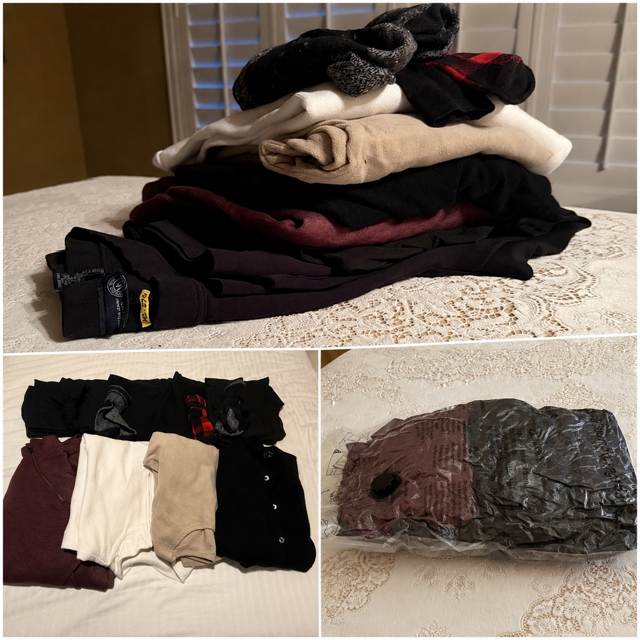
Compression cubes can reduce bulk and make it easier to see what you packed. Regular packing cubes are useful for grouping clothing by category or outfit.
Try packing:
- Two to three outfits per cube
- Undergarments and socks in a smaller cube
- Sleepwear in its own cube
- Swimwear, scarves, or accessories together
- Laundry items in a separate bag
Rolling clothing can help save space and make items easier to see. You can also tuck socks or small items inside shoes to use every inch of suitcase space.
-
Choose Lightweight Luggage You Can Manage
Do not count on someone else being available to lift, pull, or carry your luggage. Choose bags that you can manage on your own.
Look for luggage that is:
- Lightweight before it is packed
- Easy to roll
- Comfortable to lift when needed
- Small enough for your transportation plans
- Easy to identify at baggage claim
A 4-wheel spinner suitcase can make airports, hotels, and cruise terminals easier to navigate. If you need a checked bag, a small or medium suitcase is often easier to manage than a large one.
A practical setup for many senior travelers is one small personal item plus one carry-on or small checked bag.
-
Pack Travel Electronics and Chargers Together
Electronics are easy to forget because we use many of them right up until we leave home.
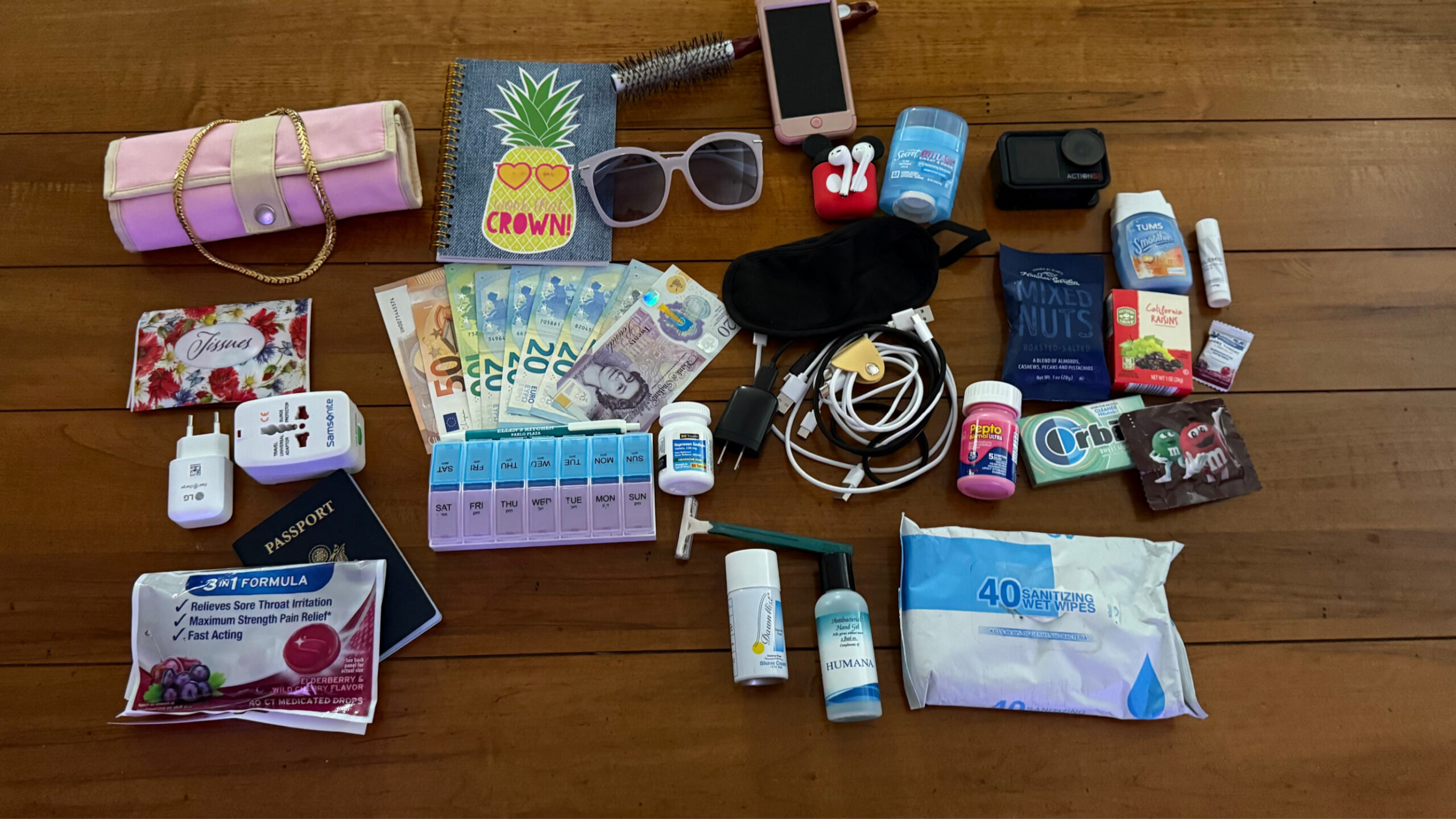
Pack chargers for:
- Phone
- Smartwatch
- Tablet
- Camera
- Hearing aids, if applicable
- Medical devices, if applicable
- Laptop, if you are bringing one
A portable power bank is useful for long travel days, flight delays, and excursions. Keep power banks in your carry-on, not your checked luggage.
For international travel, bring the correct plug adapter for your destination. Some travelers may also need a voltage converter, depending on the device.
-
Pack a “Just in Case” Carry-On Bag
Your carry-on or personal item should include anything you would need if your checked bag were delayed.
Pack these essentials in your carry-on:
- Daily medications
- A change of clothes
- Underwear and socks
- Travel documents
- Passport or government ID
- Credit cards and some cash
- Phone and charger
- Power bank
- Glasses or contacts
- Basic toiletries
- Valuables
- Travel insurance information, if you have it
- Hotel address and emergency contact numbers
- Snacks and an empty refillable water bottle
It is also smart to keep printed copies of your itinerary, hotel confirmations, cruise documents, transportation details, and important phone numbers. Digital backups are helpful, but printed copies can be a relief if your phone battery dies or Wi-Fi is unreliable.
-
Know the TSA Carry-On Rules Before You Pack
For flights within or from the United States, the TSA 3-1-1 rule applies to most liquids, gels, creams, pastes, and aerosols in carry-on bags.
In general:
- Containers must be 3.4 ounces or 100 mL or smaller.
- All containers must fit in one quart-size clear bag.
- Each passenger gets one quart-size bag.
- Pack the bag near the top of your carry-on so it is easy to remove at security.
Items that usually count as liquids, gels, or pastes include:
- Shampoo
- Conditioner
- Lotion
- Toothpaste
- Sunscreen
- Perfume
- Creams
- Liquid makeup
- Some deodorants
- Peanut butter or other spreadable foods
Medications and medically necessary liquids may be allowed in larger reasonable quantities, but they should be declared at the security checkpoint.
Avoid packing sharp objects, pepper spray, firearms, or other prohibited items in your carry-on. When in doubt, check TSA guidance before travel day.
-
Tag and Photograph Your Luggage
Before you leave, make sure every bag has your contact information both outside and inside.
Add:
- Your name
- Phone number
- Email address
- Destination hotel or cruise information, if appropriate
Take a clear photo of each bag before you check it. If your luggage is delayed or lost, a photo is much easier to show than trying to describe the exact size, color, brand, and shape from memory.
A luggage tracker can also be helpful. Place one inside checked luggage and carry-on bags so you have an extra way to locate them if something goes missing.
If managing luggage is one of your concerns, escorted vacations for seniors may be worth considering because many organized tours include luggage handling.
Senior Travel Packing FAQ
What is the best way to pack light for a trip?
The best way to pack light is to build a small capsule wardrobe with pieces that mix and match. Choose one main color scheme, limit shoes, re-wear basics, and plan laundry for longer trips.
Are packing cubes worth it?
Yes. Packing cubes help keep clothing organized, reduce suitcase clutter, and make it easier to unpack. Compression cubes are especially useful if you want to save space.
What should I always pack in my carry-on?
Always pack medication, valuables, chargers, travel documents, a change of clothes, underwear, basic toiletries, glasses or contacts, and anything you would need for the first 24 hours of your trip.
How do I avoid wrinkles when packing?
Roll softer clothing, avoid overstuffing your suitcase, and unpack as soon as you arrive. Hang wrinkled clothing in the bathroom while you shower so the steam can help relax the fabric. Many hotels offer irons or pressing services, but check ahead if you are staying somewhere with limited amenities.
How early should I start packing for a trip?
Start your travel packing checklist 2–3 weeks before departure. Lay out essentials 5–7 days before your trip, then make final weather and itinerary adjustments right before you pack.
What should seniors pack for international travel?
For international travel, pack your passport, printed itinerary, medication, travel adapter, chargers, comfortable walking shoes, weather-appropriate layers, copies of important documents, and local emergency contact information. Keep essentials in your carry-on in case checked luggage is delayed.
How do I pack for unpredictable weather?
Pack lightweight layers, a rain jacket, comfortable shoes for wet or uneven surfaces, and a small umbrella. Check the forecast when you begin packing and again the day before you leave.
Final Packing Tip
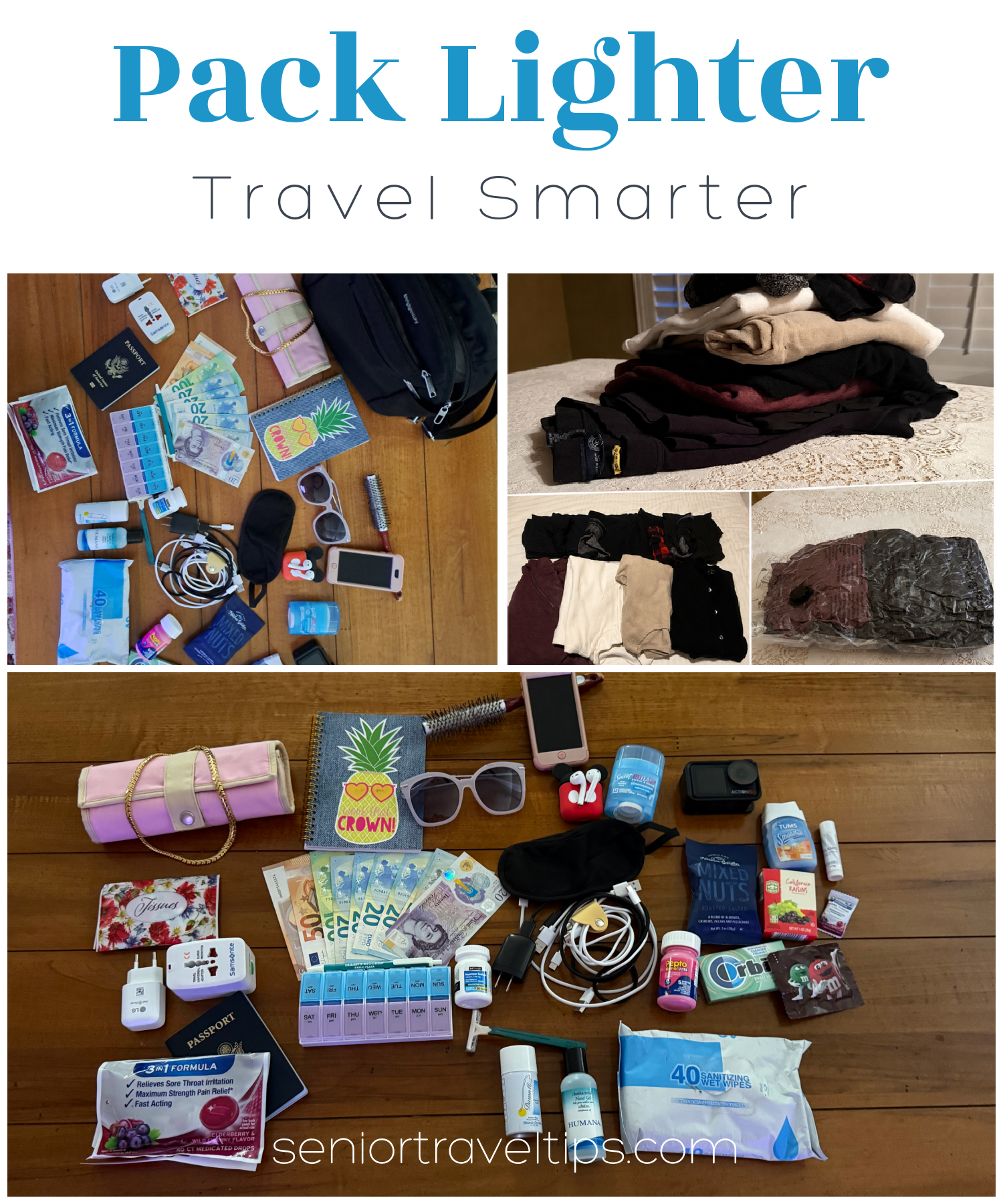
The best travel packing checklist is the one that makes your trip easier. Pack what supports your comfort, safety, activities, and independence.
When your suitcase is lighter, organized, and filled with items you will actually use, travel feels less stressful from the moment you leave home.
Need Help Planning Your Next Trip?
Packing is only one part of planning a smooth, enjoyable vacation. If you would like personalized help choosing the right destination, organizing the details, or making travel feel less stressful, learn more about our travel consulting services for retirees.