If you are researching the best transatlantic cruises for seniors, you are probably looking for a cruise vacation that feels relaxing, comfortable, and memorable without the stress of a packed daily itinerary.
Many cruises through Italy, Greece, Spain, Portugal, and the Mediterranean are filled with early excursions, long walking tours, late dinners, and busy port days. If you prefer a structured itinerary with sightseeing already planned, you may also enjoy escorted vacations for seniors. That pace can be exciting, but it can also leave older travelers more tired when they return home than when they left.
A transatlantic cruise, also called an Atlantic crossing cruise, offers a different kind of travel experience. Instead of docking in a new port every morning, the focus is on sea days, ocean views, shipboard activities, good food, entertainment, and the pleasure of slowing down.
Many transatlantic cruises are also repositioning cruises, meaning the cruise line is moving a ship between seasonal regions such as Florida, the Caribbean, the East Coast, and Europe.

For many senior travelers, repositioning cruises can offer excellent value because they often include longer itineraries, more relaxing sea days, and a lower price per night than many port-intensive cruises. If you enjoy reading by the window, lingering over breakfast, attending enrichment lectures, walking the promenade deck, taking an afternoon nap, and watching the Atlantic Ocean roll by, a transatlantic cruise may be one of the best cruise vacations for your travel style.
Quick Answer: The best transatlantic cruises for seniors are usually slower-paced sailings with multiple sea days, comfortable onboard spaces, strong entertainment, good dining options, and fewer port changes. Spring eastbound cruises often sail from North America to Europe, while fall westbound cruises commonly return from Europe to North America or the Caribbean.
What Is a Transatlantic Cruise?
A transatlantic cruise is a cruise that crosses the Atlantic Ocean, usually between North America and Europe. These cruises may begin or end in ports such as Florida, New York, Boston, Barcelona, Lisbon, Rome, Southampton, or other European and North American cruise ports.
Some transatlantic cruises are traditional ocean crossings, while others are repositioning cruises. A repositioning cruise happens when a cruise line moves a ship from one seasonal region to another. For example, a ship may spend the winter in the Caribbean and then cross the Atlantic in the spring to begin a European cruise season.
That change in season is one reason transatlantic cruises can be such a good value. Cruise lines need to move the ship anyway, and travelers who enjoy sea days can often benefit from longer itineraries and a lower daily cruise fare.
Why Transatlantic Cruises Appeal to Senior Travelers
One of the biggest advantages of a transatlantic cruise is the slower pace. Instead of rushing from port to port, you have time to settle into the ship and enjoy the journey.
For seniors who want to travel comfortably, that can make a big difference. There is less packing and unpacking, fewer early tour departures, and more time to rest between activities. You can be as social, active, or quiet as you want to be.
For those who do not particularly love flying, a transatlantic cruise can also be a practical travel solution. It may allow you to begin or end a European land tour with only one long-haul flight instead of two. For example, you might fly to Europe, enjoy a land vacation, and then cruise home to Florida or another U.S. port. Or you might cruise eastbound to Europe and begin a land tour after arriving more rested than you would after an overnight flight.
What to Do on Sea Days During a Transatlantic Cruise
You may wonder, “What can I possibly do on a ship for five, six, or even seven days at sea?”
The answer is usually: more than you think, and at a much more relaxed pace.
Cruise lines know that transatlantic guests have long stretches of ocean time, so they often build fuller sea-day schedules than you might expect. You may find guest lecturers, cooking demonstrations, arts and crafts, dance classes, wine tastings, trivia, bingo, card games, book clubs, live music, enrichment talks, matinee shows, and behind-the-scenes ship tours.
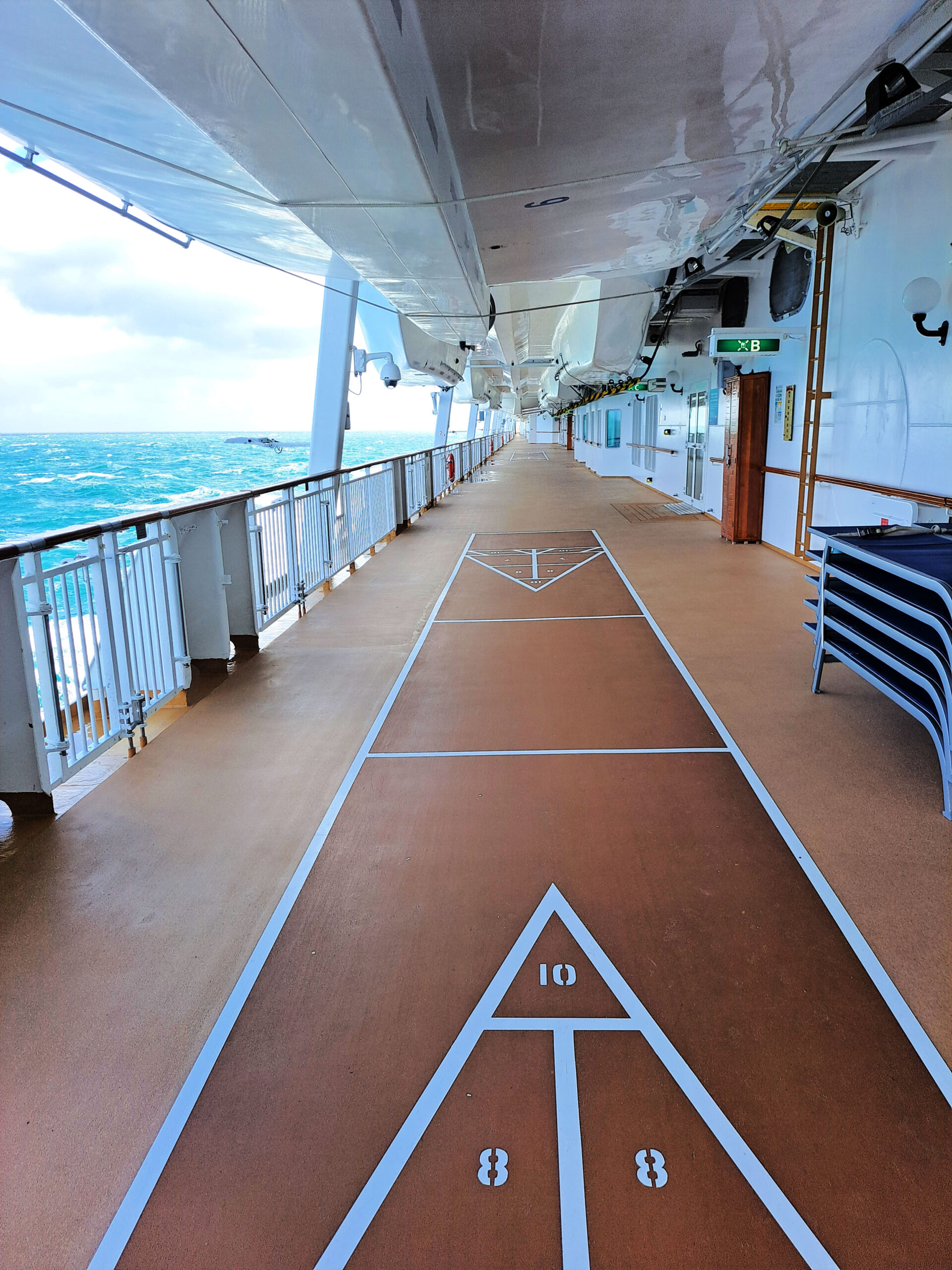
The ship itself becomes the destination. Depending on the cruise line and ship, you may have access to a thermal spa, fitness classes, walking tracks, pools, hot tubs, specialty restaurants, libraries, lounges, casinos, theaters, game rooms, and quiet outdoor spaces.

Larger ships may include rock climbing walls, water slides, sports courts, go-karts, or other high-energy features. Smaller or more traditional ships may focus more on lectures, music, fine dining, afternoon tea, and conversation.
Either way, the best part is that you do not have to do everything. On a transatlantic cruise, doing less is part of the pleasure.
For seniors, those sea days can be especially appealing because they allow time to establish a comfortable rhythm. You might begin the morning with coffee on the balcony, walk a few laps on deck, attend a lecture, enjoy a leisurely lunch, rest in the afternoon, and dress for dinner without feeling rushed.
There is no pressure to meet a tour bus at 7:30 a.m. or decide which museum, cathedral, or overlook must be squeezed into a few hours ashore.
And if all else fails, there is always time to enjoy that drink package, order breakfast in bed, find a sunny chair, watch a movie, sort your vacation photos, or take the afternoon nap you would never allow yourself at home.
Eastbound vs. Westbound Transatlantic Cruises: Which Is Best?
Most spring crossings are eastbound, from North America or the Caribbean toward Europe. These can be great if you want to arrive in Europe ready for a longer vacation.
The one thing to remember is that eastbound crossings often involve losing an hour on several sea days as the ship adjusts to European time. It is usually done gradually, but some travelers notice the difference.
Fall crossings are often westbound, from Europe back toward North America or the Caribbean. Many travelers like westbound itineraries because the time changes usually work in your favor. You may gain an hour on several days, which can make the trip feel even more leisurely.
Fall sailings may also be a nice way to end a busy European vacation with a week or more of rest before returning home.
How to Choose the Best Ship and Cabin for an Atlantic Crossing
Because you will spend more time onboard than on a typical cruise, the ship matters.
Look carefully at the daily activities, dining options, entertainment style, indoor public spaces, and spa or wellness offerings. A ship with beautiful lounges, a good library, indoor pools, covered promenades, enrichment programs, and comfortable seating areas can make a big difference when the weather is cool or windy.
Cabin location is also worth considering. If you are sensitive to motion, many experienced cruisers prefer a cabin that is lower and more central on the ship, since that area often feels steadier than cabins far forward, far aft, or high up.
A balcony can be wonderful for fresh air and ocean views, but an ocean-view or even interior cabin may be perfectly fine if you plan to spend most of your day around the ship.
If mobility is a concern, choose a cabin near elevators, dining rooms, or favorite public spaces, and consider whether an accessible cabin would make the trip easier.
Transatlantic Cruise Weather, Seas, and Comfort Tips
The Atlantic can be calm and beautiful, but it can also be windy, cool, foggy, or choppy. The route, season, ship design, and weather pattern all play a role.
Pack layers even if your cruise begins in warm weather. A light jacket, sweater, comfortable walking shoes, and something wind-resistant can make deck time much more enjoyable. If your itinerary includes both Europe and the Caribbean, plan for more than one climate.
If you are prone to motion sickness, talk with your doctor or pharmacist before you sail, especially if you take regular medications. Many travelers prefer to bring their own seasickness remedies rather than relying on the ship’s shop.
It is also wise to carry a small personal health kit with prescriptions, over-the-counter medicines you already know work for you, bandages, antacids, cold remedies, and any mobility or comfort items you use at home.
Travel insurance is also important, since medical care onboard and overseas can be costly. Before you sail, take time to compare travel insurance for seniors so you understand what is covered for cruises, medical emergencies, and trip interruptions.
What to Pack for a Transatlantic Cruise
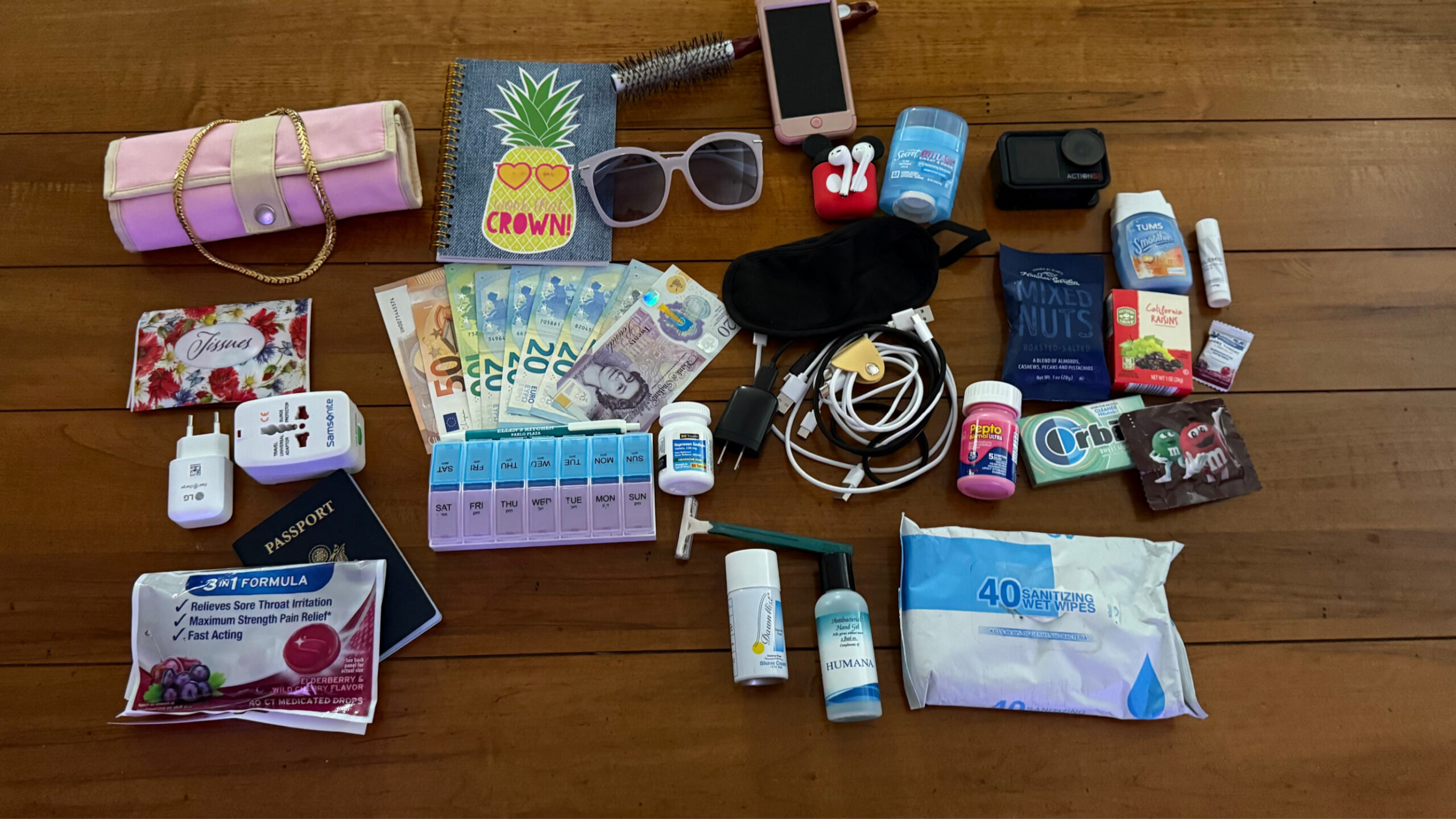
Packing for a transatlantic cruise is a little different from packing for a shorter itinerary because you’ll experience more sea days and possibly multiple climates. Our senior packing tips for travel can also help you prepare for longer vacations.
Helpful items to pack include:
- Layered clothing for changing temperatures, including a sweater or light jacket.
- Comfortable walking shoes for ship decks and port stops.
- Dressier outfits if your cruise line includes formal or elegant evenings.
- Books, e-readers, puzzles, cards, crafts, or other quiet hobbies for sea days.
- Seasickness remedies and a personal medication kit.
- Copies of travel documents, passport information, insurance details, and emergency contacts.
- A small day bag for ports and embarkation day essentials.
- Magnets, clips, or organizers if you like keeping your cabin tidy and easy to navigate.
Are Transatlantic Repositioning Cruises a Good Value?
Personally, I find unpacking once and having my things hung and put away is a welcome relief compared with moving from hotel to hotel or spending every other morning repacking a suitcase.
I also find value in the lower cost per day that many transatlantic cruises can offer. Paying a bit less per day for the room may allow you to upgrade to a balcony or suite, add a beverage package, enjoy specialty dining, buy more bingo cards, spend a little time in the casino, or simply choose a longer vacation without feeling quite as guilty.
When comparing prices, remember to look at the total trip cost rather than just the cruise fare. One-way airfare, pre-cruise hotels, transfers, travel insurance, gratuities, drinks, Wi-Fi, specialty dining, and excursions can change the final number.
A low cruise fare is wonderful, but the best value is the sailing that fits your comfort, health, budget, and travel style.
Who Should Book a Transatlantic Cruise?
A transatlantic cruise may be right for you if you enjoy relaxing days, shipboard entertainment, good meals, ocean views, and the feeling of travel without constant packing and unpacking.
It is also a strong choice for seniors who want fewer early mornings, fewer long bus rides, and more control over each day’s pace. Transatlantic cruises can also be an excellent option for those interested in solo travel for seniors, since there are plenty of onboard activities and opportunities to meet other travelers during the many sea days.
A transatlantic cruise may be a good fit if you:
- Enjoy sea days and onboard activities.
- Like the idea of unpacking once.
- Prefer a slower pace.
- Want to avoid flying both ways across the Atlantic.
- Enjoy lectures, entertainment, dining, reading, and ocean views.
- Are looking for a longer cruise with strong value.
It may not be the best fit if you dislike sea days, need frequent port stops, are very worried about motion, or prefer highly active sightseeing every day.
If your idea of relaxation involves staying in one destination instead of spending time at sea, you might prefer resort vacations for retirees, which offer many of the same opportunities to slow down without crossing the Atlantic.
The key is being honest with yourself before booking. This is not a typical cruise with a new destination each morning. It is an ocean journey, and the journey is the point.
Frequently Asked Questions About Transatlantic Cruises
Are transatlantic cruises good for seniors?
Yes. Transatlantic cruises can be an excellent choice for seniors who enjoy relaxing sea days, comfortable routines, fewer port changes, and plenty of onboard activities. They are especially appealing for travelers who prefer slow travel and want to avoid flying both ways across the Atlantic.
What is the best time of year for a transatlantic cruise?
Spring and fall are the most common seasons for transatlantic repositioning cruises. Spring sailings often travel eastbound from North America to Europe, while fall sailings often travel westbound from Europe to North America or the Caribbean.
How many sea days are on a transatlantic cruise?
Many transatlantic cruises include several consecutive sea days, often with limited port stops along the way. The exact number depends on the route, ship speed, itinerary length, and whether the cruise includes ports such as the Azores, Madeira, Bermuda, Spain, Portugal, or the Canary Islands.
What should older adults pack for a transatlantic cruise?
Seniors should pack layered clothing, comfortable shoes, seasickness remedies, prescription medications, travel insurance information, dressier clothing if required by the cruise line, and quiet hobbies such as books, puzzles, cards, or an e-reader for sea days.
Is a balcony worth it on a transatlantic cruise?
A balcony can be worth it if you enjoy private ocean views, fresh air, and quiet mornings at sea. However, an ocean-view or interior cabin may still be a good choice if you plan to spend most of your time in lounges, dining rooms, theaters, and other public spaces around the ship.
Final Thoughts on Transatlantic Cruises for Seniors
For the right traveler, a transatlantic cruise can feel like a return to classic ocean travel: slower, calmer, and more focused on the pleasure of being at sea.
You have time to sleep well, eat well, meet people, read, walk, listen to music, watch the horizon, and arrive with your body and mind restored.
And yes, I still believe that sleeping on a ship with that gentle rocking motion can be some of the best sleep ever.
Planning a cruise or extended vacation and not sure where to start? A little guidance can make the difference between a trip that sounds good on paper and one that truly fits your pace, comfort level, and travel style. Learn more about our travel consulting services for retirees and start planning a vacation that feels right for you.