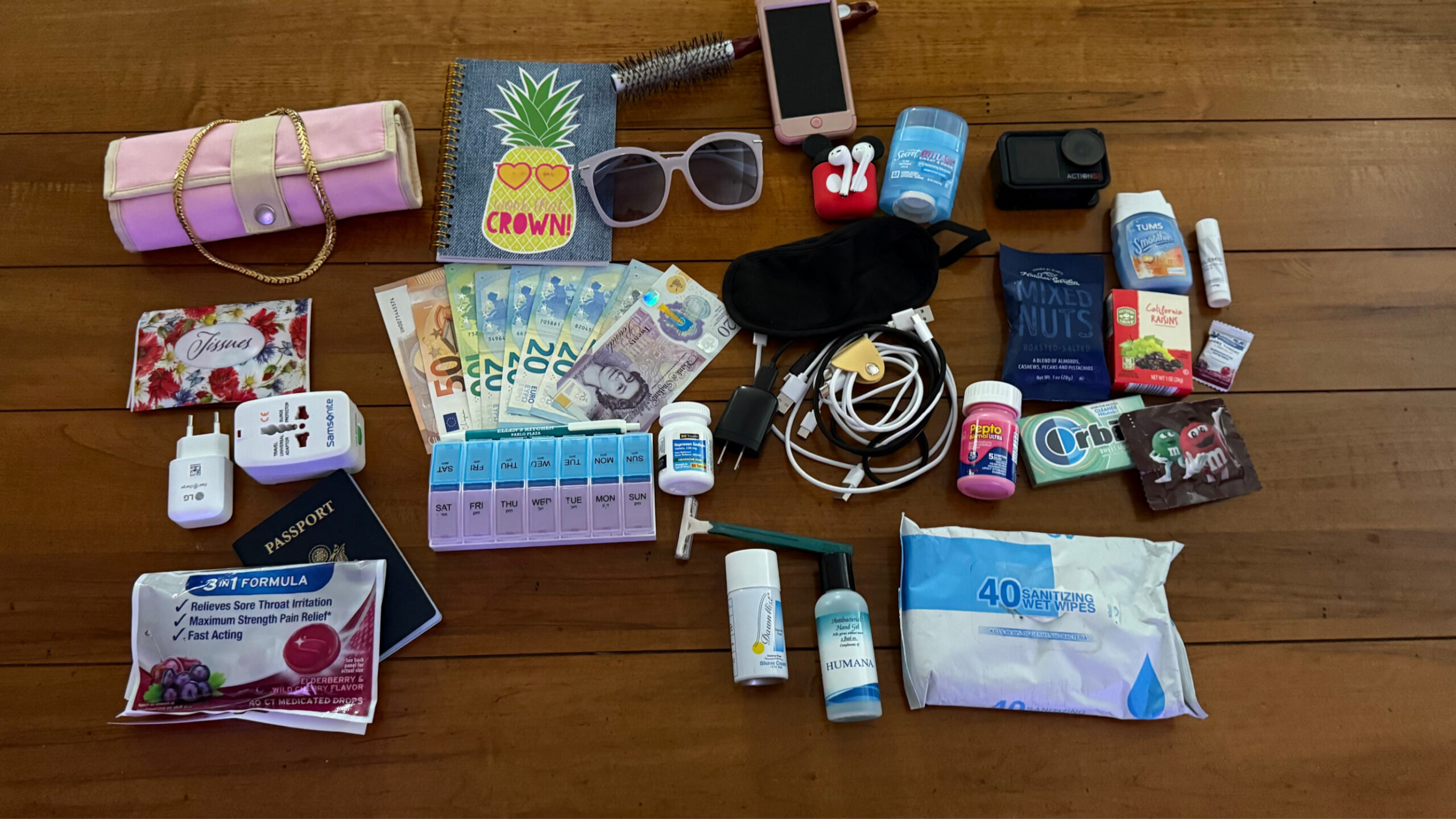
Retirement travel is one of life’s greatest rewards, but successful trips require thoughtful planning. These retirement travel tips will help seniors plan every stage of their journey—from departure to return—so travel is comfortable, safe, and stress-free. Whether you’re embarking on a guided tour, luxury cruise, train journey, or fly and drive vacation, understanding the full travel experience ensures comfort, safety, and unforgettable memories. As you plan your trip, it’s also important to consider how you’ll protect your investment—reviewing options for travel insurance for seniors can help safeguard your plans from unexpected disruptions.
Plan your journey from beginning to end

Retirement travel planning helps seniors enjoy smoother, safer trips. The most important retirement travel tips include choosing comfortable departure times, planning transportation in advance, packing light, organizing airport transfers, and allowing time to rest before and after your trip.
Below are five essential retirement travel tips to help you travel smarter, safer, and more confidently—from beginning to end.
1. Start Smart: Choose the Right Departure Time
Your travel start time can impact your entire trip. Early departures, long connections, or late night arrivals can be exhausting—especially for mature travelers.
Retirement travel planning tips:
• If joining a cruise or organized tour, arrive one or two days early
• Allow time to rest and adjust before the main itinerary begins
• Consider how travel length affects your energy and comfort
Arriving early also gives you the opportunity to explore a new city, enjoy local cuisine, or revisit favorite attractions at a relaxed pace. Travel should feel enjoyable—not rushed.
2. Getting From Here to There: Plan Transportation Carefully
Transportation is a crucial (and often overlooked) part of senior travel planning.Consider the following:
• Weather at both your departure and arrival locations
• Comfortable, layered clothing to avoid carrying bulky outerwear
• The physical effort required during transfers
Layered clothing offers flexibility and keeps luggage lighter—especially helpful when traveling through multiple climates.
3. Stress Free Airport & Station Transfers

How you get to the airport, train station, or cruise terminal matters.
Compare your options:
• Driving and parking (onsite vs. offsite)
• Taxi, Uber, or professional car service
• Hotel shuttles or pre arranged transfers
Often, a car service is the most stress free and safest option, especially for longer trips. Reducing travel anxiety is an important part of retirement travel enjoyment and one of my most valuable retirement travel tips.
4. Pack Light and Pack Smart
One of the most important retirement travel tips: pack less than you think you need.
Smart packing strategies for retirees:
• Use a neutral color palette for easy mix and match outfits
• Choose lightweight, versatile clothing
• Check airline, cruise, and train luggage size and weight limits
• Use a four wheel roller suitcase for easier mobility
Always keep valuables in a small backpack or tote:
• Medications
• Travel documents and ID
• Passport, credit cards, money
• Phone, chargers, ticketsPacking a journal is also a wonderful way to capture memories—perfect for reliving your journey once you’re home.
5. End Well: Plan a Relaxed Return Home
Your return journey deserves just as much planning as your departure.
After days—or weeks—of exploration, fatigue is normal.
Consider:
• Spending an extra night near your departure airport
• Choosing hotels with breakfast and airport shuttles
• Checking in for flights online the day before
Lay out your travel clothes and documents the night before departure. Enjoy a relaxed final evening—perhaps a walk through town or a quiet drink—to ensure a restful night’s sleep.
On departure day:
• Arrange transportation in advance
• Confirm pickup details
• Allow time for assistance with luggage if needed
• Arrive early to avoid stress
Once at the airport or station, relax. Review photos, enjoy a snack, and savor the memories of a well planned, fulfilling retirement journey.
No matter the type of travel you decide will be best for you, undoubtably there will be possible changes or delays. Be patient and alert to any announcements that may affect your travel. Remain composed and remember the organizations that you are dealing with have your best interests and safety in mind.
When on the plane or train home try to really relax and enjoy the onboard amenities offered. Trained professionals have this last leg of transportation already under control. Enjoy a snack and a cocktail or mocktail if you choose! Close your eyes and take a snooze and start to remember the highlights of your travels.
When arriving in the city you call home, breath a sigh of relief and enjoy that feeling of being back to the familiar sights and sounds that make it HOME. A very nice place to be …until the next adventure beckons!
Frequently Asked Questions About Retirement Travel
What is the best way for seniors to plan travel?
The best way to plan travel during retirement is to start early and focus on comfort, flexibility, and safety. Choose manageable travel times, book transportation and accommodations in advance, and allow extra time for rest before and after your trip. Planning each stage of the journey helps reduce stress and creates a more enjoyable experience.
How far in advance should retirees plan a trip?
Most retirees should begin planning travel at least three to six months in advance. This allows time to secure better pricing, choose preferred accommodations, and make arrangements for transportation, insurance, and any special needs. For cruises or international trips, planning even earlier can provide more options and peace of mind.
What are the most important travel tips for seniors?
The most important travel tips for seniors include choosing comfortable departure times, packing light, organizing transportation in advance, and allowing time to rest throughout the trip. Keeping medications and important documents easily accessible and planning for a smooth return home are also essential.
What should seniors avoid when traveling?
Seniors should avoid overpacking, tight travel schedules, and last-minute planning. Long travel days without breaks, unfamiliar transportation arrangements, and carrying heavy luggage can increase stress and fatigue. A slower, more intentional approach to travel helps prevent unnecessary challenges.
Bonus Retirement Travel Planning Tip: Stay Flexible and Enjoy the Journey
Even the most carefully planned trips can include delays or unexpected changes. Staying patient, flexible, and aware of announcements will help you navigate these moments with less stress. Travel providers and staff are there to support your safety and comfort, so trust the process and focus on the experience.
As your journey comes to an end, permit yourself to slow down. Use your return trip as time to relax, reflect, and enjoy the final moments of your travel experience. Whether you are reviewing photos, enjoying onboard amenities, or simply resting, this stage is part of the journey too.
When you arrive home, take a moment to appreciate the comfort of familiar surroundings. A well-planned retirement trip should leave you feeling fulfilled, refreshed, and ready for whatever adventure comes next.